Why Autumn Is the Perfect Season for Richmond House Washing
As the intense heat and humidity of a Central Virginia summer give way to crisp mornings and vibrant foliage, homeowners across the Richmond area begin shifting their attention toward seasonal home maintenance. While raking leaves, inspecting heating systems, and winterizing gardens are common fall rituals, exterior cleaning is often overlooked until spring. However, scheduling professional house washing during the autumn months is one of the most practical and protective investments a Richmond property owner can make.

The climate in Richmond creates a distinct set of challenges for residential exteriors. Between the lingering humidity carried off the James River and the dense tree canopies blanketing neighborhoods from the Fan District to Short Pump, local homes endure a relentless barrage of biological growth and environmental pollutants. Addressing these contaminants in the fall not only restores the visual appeal of a property before the holiday season but also provides critical protection against the harsh winter freeze-thaw cycles that lie ahead.
The Post-Summer Grime Accumulation in Richmond
Summer in Richmond is characterized by sustained warmth and elevated humidity. These climate conditions serve as an incubator for biological organisms, specifically green algae, black mold, mildew, and lichen. Siding on north-facing walls and shaded elevations rarely receives https://messiahsmkb199.rivetgarden.com/posts/roof-cleaning-without-walking-on-tiles-is-it-possible enough direct sunlight to dry completely, allowing micro-organisms to colonize rapidly on vinyl, fiber cement, stucco, and historic brick surfaces.
In addition to organic growth, spring and summer leave behind substantial layers of tree pollen, vehicle emissions, and atmospheric dust. When combined with sudden summer thunderstorms, this debris forms a stubborn film that binds to siding and trim. If left untreated over the winter, this film retains moisture against building materials. Autumn provides a necessary reset point, stripping away months of grime before cold weather sets in and allows these contaminants to degrade exterior coatings and finishes.
Protecting Exterior Surfaces from Winter Freeze-Thaw Damage
One of the primary structural arguments for autumn exterior cleaning centers on preventing moisture damage during the winter months. In Richmond, winter temperatures fluctuate frequently around the freezing mark. Water that enters porous materials during the day can freeze overnight, expanding by approximately nine percent and exerting substantial pressure on building components.
Dirt, moss, and mildew act like sponges, holding moisture directly against siding, mortar joints, and painted wood trim. When freezing temperatures arrive, this trapped water expands, accelerating the cracking of paint, spalling of brick, and fracturing of concrete. A thorough autumn cleaning eliminates these moisture-retentive organic reservoirs, allowing exterior surfaces to dry quickly and completely after rain or snow events, thereby mitigating the risk of structural deterioration throughout the coldest months.
Comprehensive Exterior Maintenance: Roofs, Flatwork, and Siding
A comprehensive approach to exterior rejuvenation in the fall extends beyond standard vertical siding. A holistic maintenance plan addresses the entire building envelope, from the ridgeline to the end of the driveway.
The Critical Need for Autumn Roof Cleaning
Richmond's rich urban forest is a defining characteristic of the region, but falling leaves and seed pods present severe risks to residential roofing systems. When organic debris collects in valleys, along roof dormers, and around flashing, it holds dampness against asphalt shingles and slate tiles. This damp environment accelerates the spread of Gloeocapsa magma—the blue-green algae responsible for black roof streaks—as well as invasive lichen and moss.
Lichens and moss physically anchor their root-like structures into shingle granules, loosening them and compromising the waterproof membrane beneath. Professional roof cleaning utilizes low-pressure chemical treatments, known as soft washing, to eradicate these organisms at the root without damaging roofing materials. Completing this process during autumn clears away decaying leaves and halts organic growth before heavy winter precipitation and potential ice dams exacerbate the problem.
Driveway Cleaning and Concrete Protection
Flat surfaces such as walkways, patios, and driveways endure significant wear throughout the summer from foot traffic, tire marks, oil drips, and fertilizer overspray. As autumn arrives, falling leaves release tannins that stain concrete, stone, and aggregate surfaces with dark brown discoloration if left sitting on damp pavement.
Executing professional driveway cleaning via specialized surface cleaners and targeted pressure washing strips away embedded grime, oil residues, and organic stains. Removing surface slickness caused by algae is also a vital safety measure; damp, algae-coated concrete becomes exceptionally slippery when morning frosts occur. Preparing concrete and paver surfaces in the autumn also allows homeowners to apply penetrating sealers, shielding flatwork from de-icing compounds and freeze-cracking through 2027 and the years beyond.
Why Autumn Offers Ideal Weather Conditions for Washing
From an operational standpoint, the meteorological conditions of autumn in Central Virginia provide the ideal window for exterior cleaning projects. Professional exterior cleaning relies heavily on specialized, biodegradable detergents designed to break down dirt and neutralize organic spores without relying on damaging high pressure.
The efficiency of these cleaning solutions depends significantly on ambient temperatures and drying rates. During the sweltering Richmond summer, exterior surfaces become scorching hot, causing cleaning solutions to evaporate rapidly before they can achieve optimal dwell time. This rapid drying can lead to chemical spotting and requires excessive water usage to keep surfaces cool. Conversely, deep winter temperatures cause water to freeze on contact, creating severe safety hazards and rendering standard cleaning techniques ineffective.

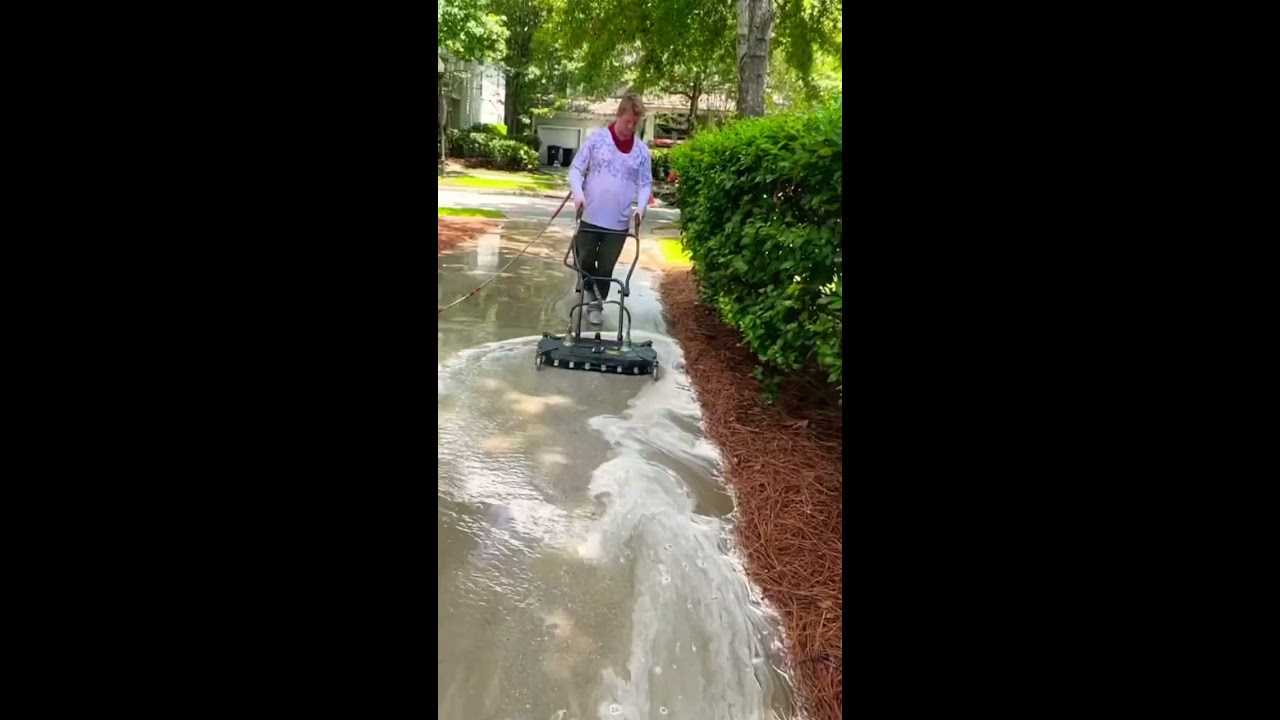
The moderate temperatures of autumn—typically ranging from the mid-50s to the low 70s—allow solutions to dwell effectively on surfaces without drying prematurely. Technicians can achieve a deeper, more uniform clean while using less solution and water, ensuring superior results across all surface types.
- Consistent Chemical Dwell Time: Mild temperatures prevent cleaning agents from flashing off the surface, maximizing the breakdown of stubborn algae and mildew.
- Reduced Landscaping Stress: Surrounding plants, shrubs, and perennials are naturally entering dormancy, making them substantially less vulnerable to accidental stress during cleaning procedures.
- Optimal Air and Surface Temperatures: Stable humidity levels facilitate swift, uniform drying of siding, concrete, and roofing materials once rinsing is complete.
- Safer Working Environments: Property perimeters are free from active stinging insect nests, and cooler weather ensures technician alertness and precision.
Enhancing Holiday Readiness and Curb Appeal
The final quarter of the year is synonymous with entertaining, family visits, and seasonal celebrations. Homeowners throughout Richmond take tremendous pride in their properties, often investing substantial time into festive exterior lighting and landscaping displays. However, high-end decorative lighting can inadvertently spotlight green algae streaks, oxidized siding, and stained gutters.
Scheduling professional house washing in early to mid-autumn guarantees that the property serves as a pristine canvas for seasonal decorations. Spotless siding, clean gutters, and bright walkways elevate overall curb appeal, creating a welcoming atmosphere for visiting guests. Furthermore, cleaning gutters and siding prior to hanging holiday fixtures prevents homeowners from tracking dirt, grease, and mildew onto hands, ladders, and lighting equipment.
Professional Soft Washing vs. High-Pressure Power Washing
A crucial distinction every homeowner must understand is the difference between high-pressure methods and soft wash techniques. While high-powered power washing is exceptional for durable, non-porous flat surfaces like unpainted concrete pads and commercial brick walkways, it can be destructive when applied to residential siding, windows, and roofs.
Excessive pressure can strip paint from classic Richmond Victorians, crack modern vinyl siding, and blow water behind wall cavities, fostering internal mold growth and insulation damage. Reputable exterior cleaning providers employ low-pressure soft wash systems for structural siding and roofs. This approach uses high-volume, low-pressure water delivery combined with specialized detergents to sanitize surfaces safely, eliminating biological growth at the microbial level rather than merely blasting away the visible top layer.
Preparing Your Home for Autumn Exterior Cleaning
To ensure a seamless, efficient service, property owners can take a few simple, actionable steps prior to the arrival of an exterior cleaning crew. Taking these precautions protects personal belongings and allows technicians immediate access to the work area.
- Inspect and Seal Openings: Ensure all windows and doors are firmly latched. Check that weatherstripping is intact and close all exterior wall vents that could admit water.
- Clear the Perimeter: Move patio furniture, potted plants, doormats, and decorative garden items at least ten feet away from the foundation of the home.
- Secure Utilities: Turn off exterior electrical outlets at the breaker panel or ensure all exterior weatherproof outlet covers are firmly closed and sealed.
- Manage Landscape Access: Trim back any overgrown branches or shrubs that press directly against the siding, providing technicians with unobstructed access to the structure.
Long-Term Value and Preventive Protection
Viewing exterior maintenance as a component of a long-term asset preservation strategy yields significant financial dividends. Replacing vinyl siding, repointing historic masonry, or prematurely replacing an asphalt shingle roof represents an immense capital expenditure. Regular maintenance performed at the correct seasonal interval extends the operational lifespan of these building materials by years.
As exterior cleaning technologies and biodegradable surfactants continue to evolve through 2026, professional services have become more efficient, environmentally responsible, and protective of structural envelopes than ever before. Clearing away the biological residue of the past summer ensures your Richmond property remains resilient, structurally sound, and visually striking through the cold winter months and well into the coming year.
Richmond Pressure Cleaning
Unit 2/420 Church St, Richmond VIC 3121
ph. (03) 4231 7213